

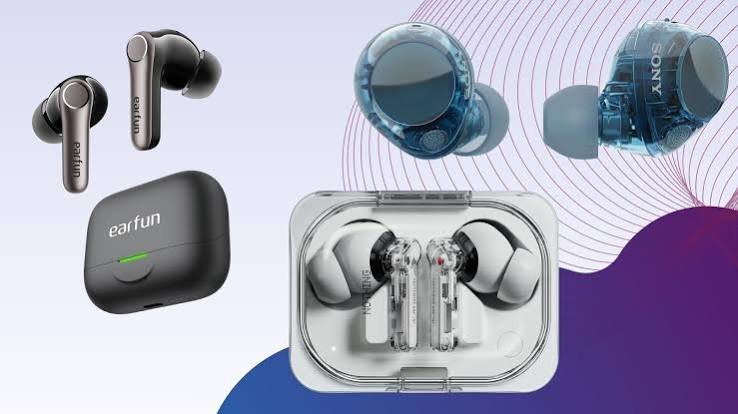
Choosing the Best Wireless Earbuds 2026 has to offer for sound, calls, and battery life means weighing three things most roundups blur together into one score. A pair that sounds incredible can still embarrass you on a windy Zoom call, and a pair with all-day battery life often gets there by dialing back the drivers or the noise cancellation chip. This guide is built around those three axes specifically, so you can weight your decision toward whichever one actually matters for how you’ll use your earbuds — plus the trade-offs, buying considerations, and platform quirks that determine whether a “best” pick is actually the best pick for you.
How we evaluated
Picks below are based on current 2026 manufacturer specifications cross-checked against hands-on testing from established audio review outlets, plus independent battery and microphone testing where available. Models that have been discontinued or superseded were excluded. Prices are approximate street prices as of writing and will fluctuate with sales.
Quick comparison
| Model | Price | Best for | ANC (on/case) | Call mics | Platform |
|---|---|---|---|---|---|
| Apple AirPods Pro 3 | $249 | Overall / iPhone | ~8 hrs / ~24 hrs | 3-mic computational audio | iOS-optimized, works on Android |
| Samsung Galaxy Buds4 Pro | $249 | Android / Calls | ~6–8 hrs / ~24 hrs | 3-mic + bone-conduction VPU, 16kHz SWB | Samsung-optimized, works elsewhere |
| Sony WF-1000XM6 | $330 | Sound quality | ~8 hrs / ~24 hrs | Beamforming + AI noise reduction | Cross-platform |
| Bose QuietComfort Ultra Earbuds (2nd Gen) | ~$279 | ANC / blocking noise | 4–6 hrs / ~24 hrs | Solid, not class-leading | Cross-platform |
| Soundcore Liberty 4 NC | ~$80 | Best budget overall | ~7 hrs / ~40 hrs | Decent, occasional muffling | Cross-platform |
| Beats Powerbeats Pro 2 | ~$250 | Workouts | ~9 hrs / ~24 hrs | Good | iOS-optimized, works on Android |
Best overall: Apple AirPods Pro 3
Apple’s redesigned internal architecture, foam-infused ear tips, and a genuinely improved computational-audio ANC system make the AirPods Pro 3 the most well-rounded pick on this list, and most reviewers ranked them the top pair of 2026 so far. They added a heart-rate sensor, Live Translation, and clinically validated hearing-aid functionality, on top of noticeably better sound and battery life than the previous generation. Call quality is a genuine strength: three mics per bud, including two beamforming units and one inward-facing mic, deliver clear, natural-sounding calls in most environments, though very heavy wind can occasionally introduce a slightly processed, over-filtered artifact. The catch is ecosystem lock-in — there’s no EQ customization, and features like automatic device switching and Find My are iPhone-exclusive, so Android users get music playback and not much else.
Read More: Best Password Managers 2026 for Security and Ease of Use
Best for Android and Samsung users: Galaxy Buds4 Pro
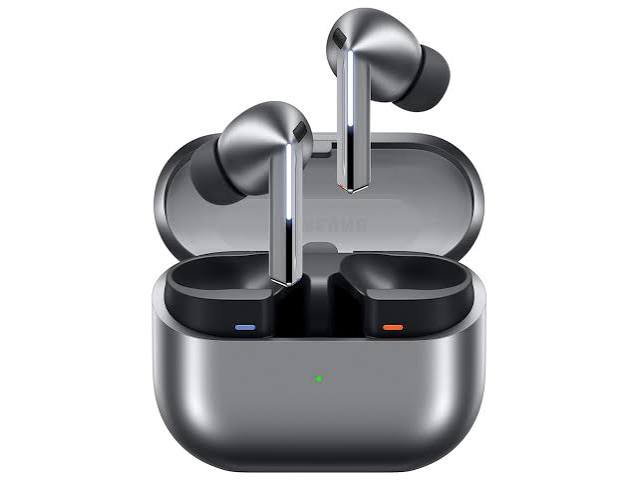
Samsung’s flagship earbuds now go toe-to-toe with the AirPods Pro 3 on sound and have arguably pulled ahead on calls. The Buds4 Pro pair three high-SNR microphones per bud with a Voice Pickup Unit — a bone-conduction sensor similar to the tech Sony uses — and 16kHz Super Wideband speech encoding that doubles standard Bluetooth voice bandwidth. In practice, that means your voice comes through fuller and less compressed on the receiving end, a meaningful upgrade over the “thin” sound typical of Bluetooth calls. Adaptive ANC 2.0 also does a genuinely good job isolating specific noise sources — like a coworker’s mechanical keyboard — rather than just applying a blanket noise floor. Real-world battery testing puts music-with-ANC playback closer to six hours rather than the rated eight, which is worth knowing if you’re planning a long flight. There’s no native iOS app, so iPhone users lose most of the customization.
Best sound quality: Sony WF-1000XM6
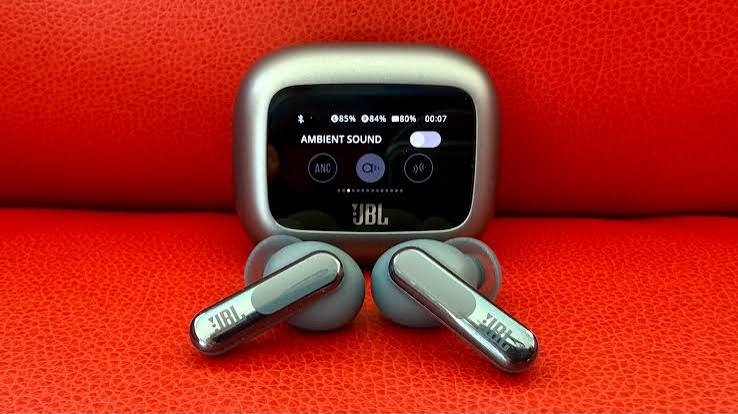
If pure audio fidelity is the priority, reviewers across multiple outlets landed on the Sony WF-1000XM6 as the current benchmark, praising their detailed, dynamic, and unusually warm-sounding tuning for a Sony flagship. They support LDAC for higher-resolution streaming on compatible Android phones, and testers also noted a real step up in noise cancellation and call clarity over the previous WF-1000XM5. At $330, they cost more than the AirPods Pro 3 or Galaxy Buds4 Pro, and the case is on the bulkier side, but for critical listening rather than casual background music, this is the pair worth the premium.
Best noise blocking: Bose QuietComfort Ultra Earbuds (2nd Gen)
Bose remains the reference point for raw noise cancellation, particularly against constant broadband noise like engine roar and against human voices and chatter specifically — a category where some competitors let more through. The trade-off is battery life: rated at around six hours with ANC on and Immersive Audio off, dropping to roughly four hours with Immersive Audio enabled, noticeably behind the Sony, Apple, and Samsung flagships. If your priority is disappearing into total silence on a plane rather than maximizing hours between charges, this is still the pick.
Best battery life: Soundcore Liberty 4 NC and Soundcore Space A40
You don’t need to spend flagship money for battery life that outlasts a full workday and then some. The Soundcore Liberty 4 NC pairs adaptive ANC with wind reduction and an IPX4 rating at roughly $80, and its total runtime with the case comfortably clears 40 hours. The Space A40 goes further on endurance specifically: about 10 hours per charge with ANC off (8 hours with ANC on) and around 40 hours total with the case, all for under $100. Neither will match a Sony or Bose on outright sound detail, but both close the gap further than budget earbuds used to. If your use case is genuinely marathon — long-haul flights, multi-day trips without reliable charging — prioritize buds-only playtime over total case capacity, since the case only helps once you’re near an outlet or bag anyway.
Best budget pick: Soundcore Liberty 4 NC or Nothing Ear (a) 2
For most people who don’t need a flagship, the Liberty 4 NC is the safest all-around budget buy — good ANC, long battery life, and IPX4 sweat resistance for about $80. If you’re willing to trade some ANC depth for even better value, the Nothing Ear (a) 2 at roughly $69 punches well above its price on sound and feature set. Neither will keep up with the Galaxy Buds4 Pro or AirPods Pro 3 on call quality in noisy environments, but for music, podcasts, and everyday calls, either is a legitimate alternative to spending $250.
Best for workouts: Beats Powerbeats Pro 2
Earbud-style flagships aren’t built for burpees. The Powerbeats Pro 2’s ear-hook design is the most secure fit in this guide, and it adds real-time heart-rate tracking via optical sensors alongside solid ANC and roughly nine hours of battery life — enough for the longest training sessions. It works fully on both iOS and Android. If you want an in-ear (not hook) design with a serious IP rating for heavy sweat, the JBL Endurance Peak 3 costs around $79 and carries IPX7 water resistance, while Galaxy Buds4 Pro owners get a genuinely secure fit for weightlifting without switching earbuds for gym days.
What actually matters when you’re buying
Codec support. AAC is the default and works fine on iPhone. Android users who want higher-resolution streaming should look for LDAC (Sony, several Android-first brands) or aptX Adaptive/Lossless (Qualcomm-based phones); SBC is the fallback baseline everywhere and sounds noticeably worse.
ANC vs. transparency mode. ANC cancels ambient noise for whoever’s wearing the earbuds; transparency (sometimes called Ambient or Aware mode) intentionally lets outside sound through so you can hear your surroundings or your own voice. Noise cancellation and call-mic quality are handled by separate systems, so ANC being on doesn’t inherently hurt how you sound to the other person — though heavy wind can still challenge even the best beamforming microphones regardless of ANC settings.
Mic technology. Look for multi-mic arrays (2–3 per bud) combined with AI-based voice isolation, or — as in Samsung’s and Sony’s flagships — a bone-conduction sensor that picks up your voice directly from jaw vibration rather than relying purely on air-conducted sound. This is what separates genuinely clear calls from earbuds that merely claim “clear calls” on the box.
Real-world vs. rated battery life. Manufacturer numbers are typically measured at 50% volume with ANC off and minimal calling. Real daily use — higher volume, ANC on, regular calls — typically cuts advertised playtime by 15–25%. Buy for the lower real-world number, not the box claim.
IP rating. IPX4 is the sweat-resistance minimum for gym use; anything below that risks failure from moisture over time. Frequent runners or heavy sweaters should look for IPX7 or IP68-rated models instead.
Multipoint pairing. Most models above roughly $80 now support connecting to two devices simultaneously — useful for switching between a laptop and phone without re-pairing — but confirm it explicitly, since cheaper models sometimes still lack it.
Longevity. Rechargeable earbud batteries typically show noticeable degradation after about 3–4 years of regular use, and a common complaint pattern is one bud (usually the one handling the primary Bluetooth connection) losing charge faster than the other after 18–24 months. Avoid letting the case sit fully depleted or fully charged for long stretches to slow this down.
FAQ
Do noise-cancelling earbuds hurt call quality? Not inherently — ANC and call-mic processing are separate systems. What does hurt call quality is a weak or poorly positioned microphone array, which shows up regardless of whether ANC is on.
Are these worth it over AirPods Pro / Galaxy Buds flagships? If you’re deeply invested in one ecosystem (Find My, seamless device switching, health features), the matching flagship earbuds are usually worth it for the integration alone. If you switch between an iPhone and an Android phone regularly, or you simply want the best raw audio and ANC regardless of brand, the Sony WF-1000XM6 or Bose QuietComfort Ultra Earbuds are strong cross-platform alternatives.
Is true wireless (TWS) assumed here? Yes — this guide covers in-ear true wireless earbuds only, not neckband or wired-adjacent designs, which is what most 2026 shoppers searching this topic are comparing.
Conclusion
If you only want one pair and don’t want to think any further: get the Apple AirPods Pro 3 on iPhone or the Samsung Galaxy Buds4 Pro on Android — both cost $249, both are genuinely excellent across sound, calls, and battery life, and both currently sit at the top of most 2026 testing roundups. Step up to the Sony WF-1000XM6 if sound quality alone is the priority, or the Bose QuietComfort Ultra Earbuds if blocking noise matters more than anything else. If budget is the constraint, the Soundcore Liberty 4 NC delivers most of what matters for a fraction of the price.

2 Comments
Pingback: OLED vs Mini-LED: Which Display Technology Is Better
Pingback: Best Free Video Editing Software for Beginners in 2026